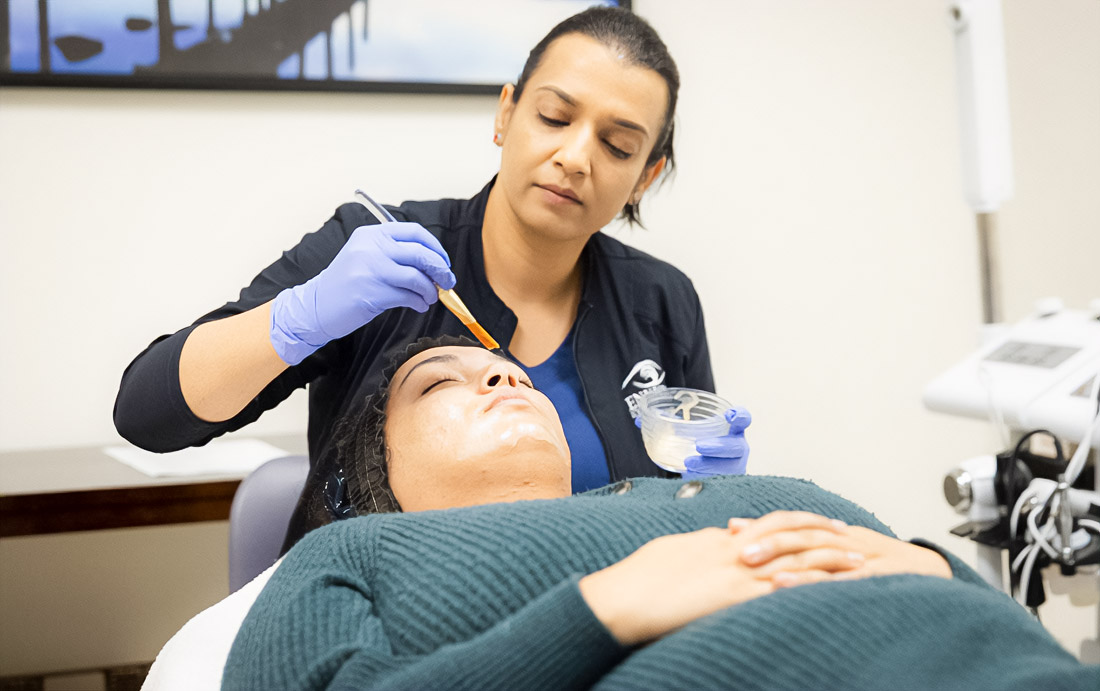
Winter Acne Relapse in AC Offices: Sebum-Shift Science and When to Layer Medical Dermatology With HydraFacial MD Maintenance
In winter, the skin experiences increased stress. Dry air, temperature fluctuations and heating disrupt the barrier function, increase transepidermal water loss (TEWL) and reduce sebum levels. These processes increase sensitivity, provoke peeling and create conditions for acne exacerbation even in patients with previously stable skin conditions.
Studies show that sebum reaches a minimum in winter and a peak in autumn, and the TEWL in people with acne remains higher all year round. Adolescents with acne have an increased bacterial load, increased fluorescence in the range of 500–800 nm, indicating an excess of porphyrins, and a pronounced lipid imbalance. These data confirm that the winter season is a key factor in acne deterioration and loss of barrier resistance.
Seasonal Restructuring of Care
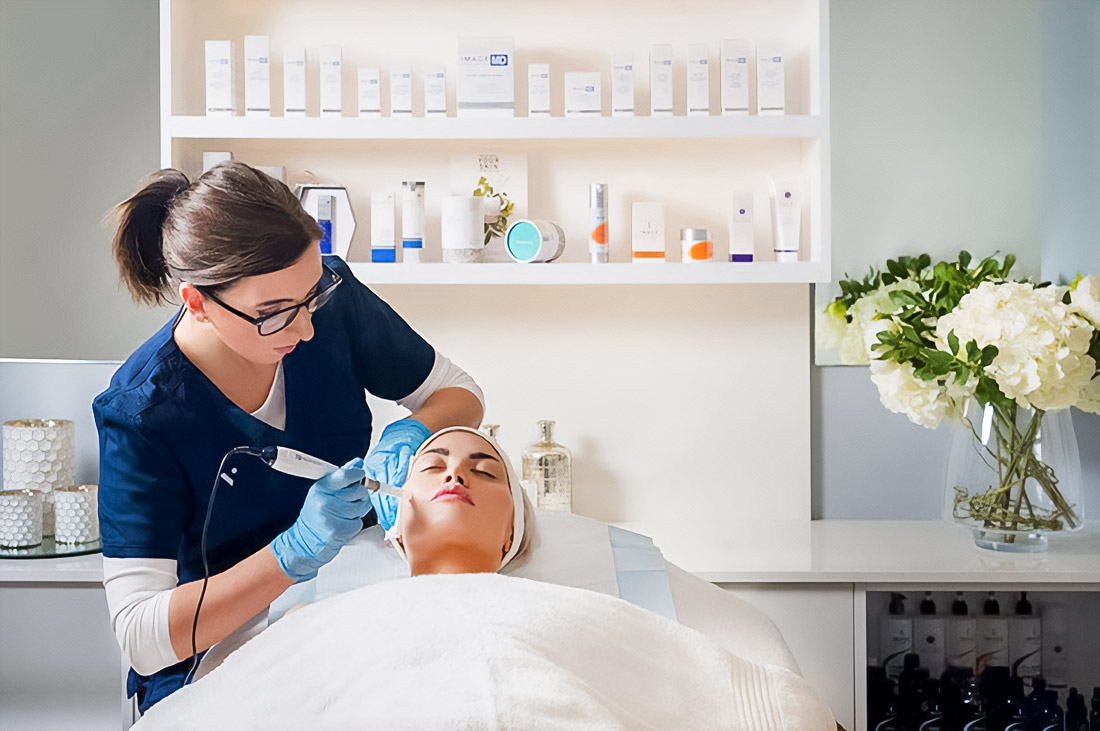
In case of winter dryness of the skin, it is recommended to adjust the frequency of washing, avoiding excessive cleansing, and switch from foaming gels to cream clinkers. This helps to reduce over-drying and maintain the natural balance of sebum. Choosing a richer moisturizer by skin type compensates for the increased TEWL and prevents microcracks.
Such measures help to stabilize the barrier function, reduce inflammatory elements and reduce the risk of acne recurrence. It is important to take into account seasonal fluctuations in moisture and lipids. In summer and autumn, skin moisture is higher, and in winter it is lower, so care requires seasonal adaptation. Many patients also consult a dermatology clinic in Dubai during the colder months to better manage flare-ups caused by environmental stress.
Hydrodermabrasion as a Supportive Therapy
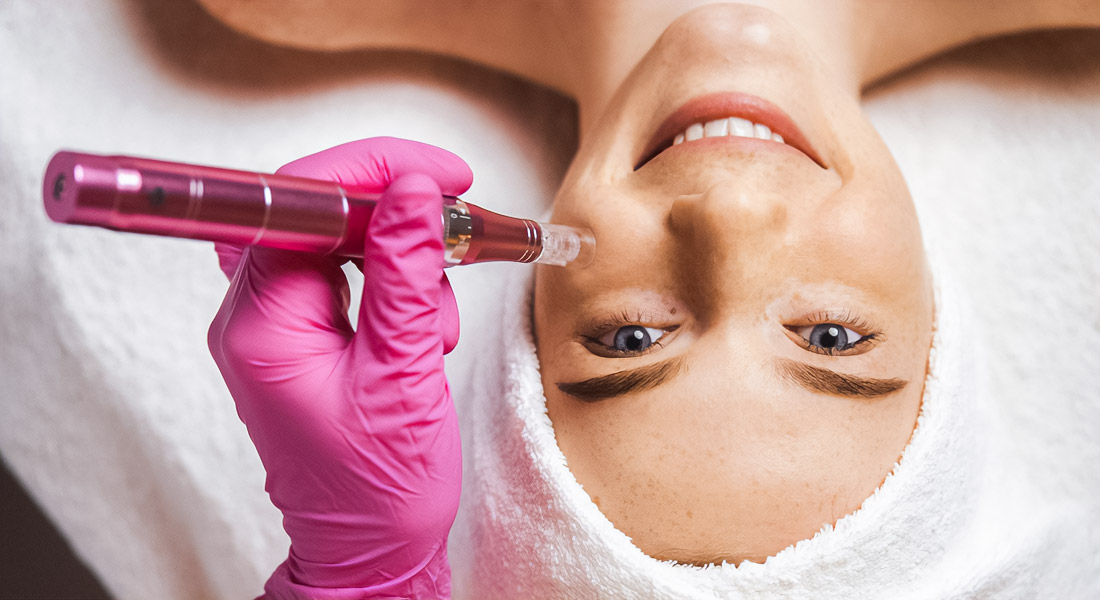
Non-invasive methods such as hydrodermabrasion are proving to be an effective link between drug therapy and home care. The procedure combines cleansing, peeling, painless extraction and infusion of serums with hyaluronic acid, peptides and antioxidants. The final stage is an 8-minute blue LED light aimed at suppressing inflammation and reducing bacterial activity.
A 12-week multicenter study (20 participants, median age 29.5 years, 80% women) showed that after six procedures with a two-week interval, the proportion of patients with GASS <1 increased from 20% to 65% according to researchers and from 5% to 55% according to self-reports. The average GASS score decreased by 37% in researchers and by 34% in patients, and the effect persisted two weeks after completion of the course.
The procedure included peeling with 7.5% glycolic acid and 2% salicylic acid solutions, extraction and final hydration. The most common side effects were mild erythema, edema, peeling, and short-term burning, which decreased in frequency by the end of the course. No serious adverse reactions were observed, which confirms the high level of tolerance even in patients with sensitive skin.
Practical Significance
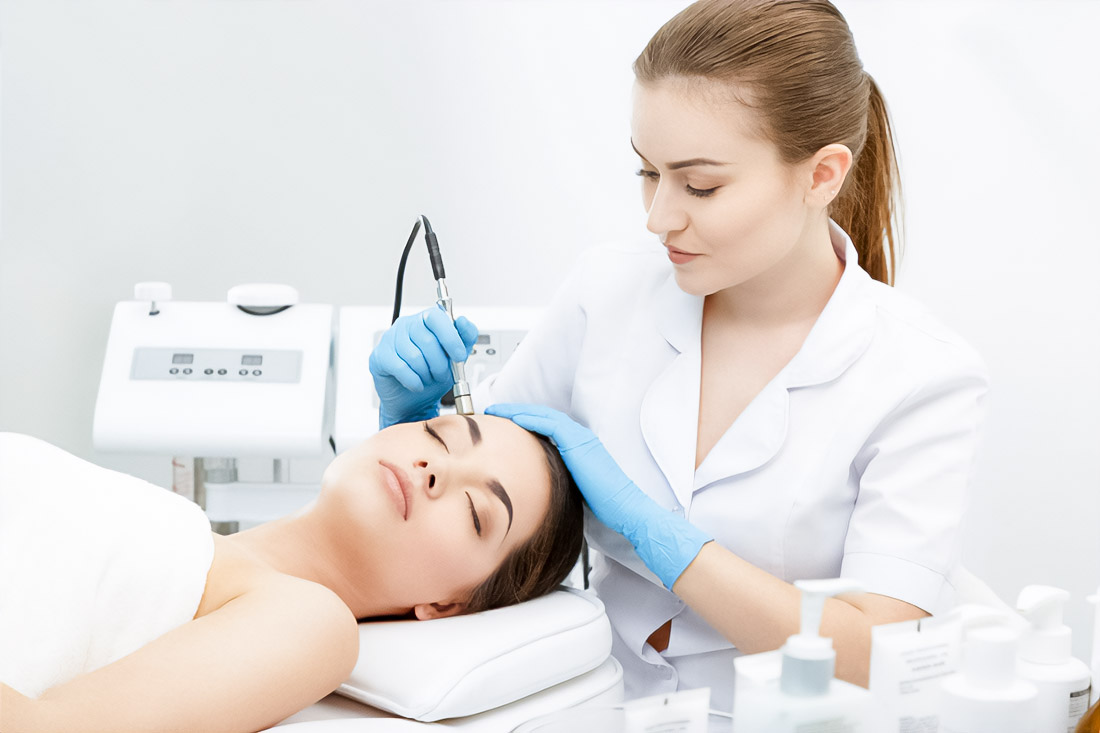
Seasonal fluctuations in sebum, increased TEWL, and porphyrin-induced processes create favorable conditions for acne recurrence in winter. The combination of home care correction and hydrodermabrasion as supportive therapy helps reduce inflammation, stabilize the barrier, and prevent new rashes.
Thus, for mild and moderate acne, the optimal strategy is seasonal adaptation of care, mild cleansers, sebum control and a course of non-invasive therapy aimed at restoring the water-lipid balance and reducing bacterial activity of the skin.

Biker, foodie, guitarist, Swiss design-head and New School grad. Operating at the sweet spot between simplicity and mathematics to create strong, lasting and remarkable design. I prefer clear logic to decoration.