The Winter Dew Point Problem No One Talks About on UAE Construction Job Sites
When buildings are designed, constructed, and later operated in hot climates, the primary focus is almost always on summer-related risks. Extreme heat, heat stress, and excessive loads on air conditioning systems are familiar challenges that are thoroughly regulated. Yet during the winter months, a far less discussed issue emerges, one that can be equally destructive in its consequences. Dew points, condensation, and latent humidity appear unexpectedly, targeting the most vulnerable zones of a building or an active construction site.
During winter, ambient air temperatures may fall below 10°C while relative humidity remains sufficiently high. Under these conditions, even minimal surface supercooling becomes critical. Condensation rarely appears as visible droplets. Instead, it often develops as an invisible moisture film that completely alters how construction materials behave and perform.
Condensation As A Cause Of Hidden Defects
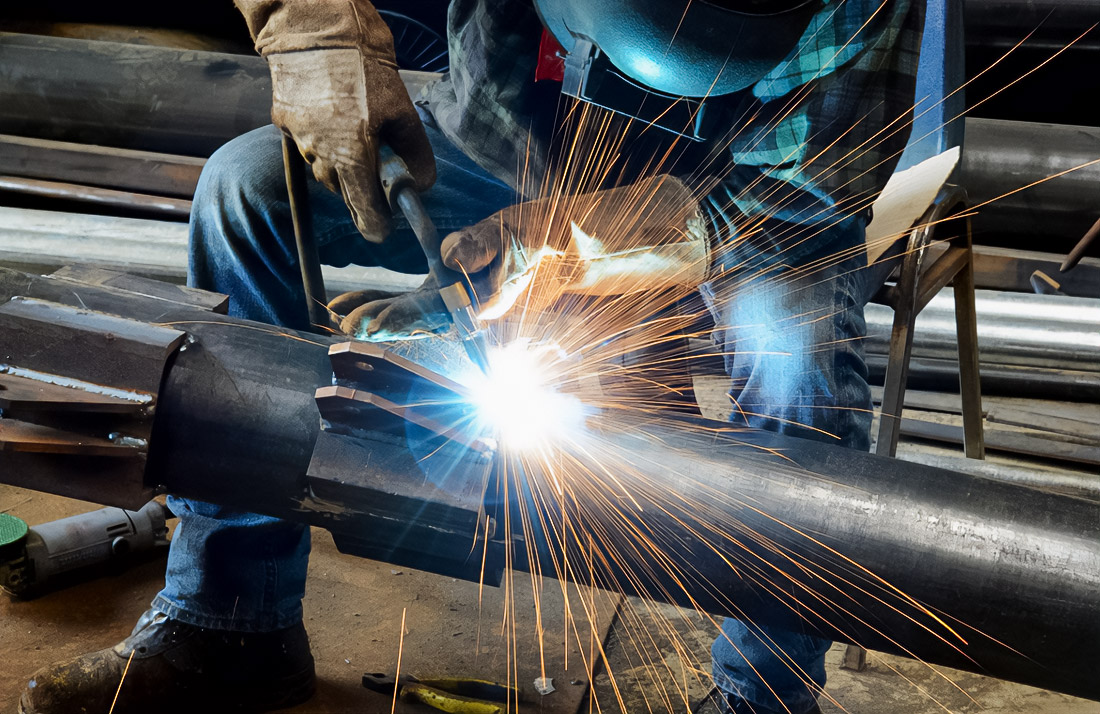
During the construction phase, the dew point is especially dangerous for finishing and adhesive systems (flap discs).At the construction stage, dew point conditions pose a serious threat to finishing and adhesive systems used during surface preparation. Epoxy compounds, cement-based adhesives, leveling mixtures, and membranes are highly sensitive to moisture during application and curing. When surface temperature drops below the dew point, adhesion failure occurs immediately, even if surrounding air parameters appear acceptable.
Documented cases show that solvent evaporation can reduce base surface temperatures to as low as 4°C. With ambient air at 12°C and a dew point of 10°C, the surface temperature may fall to 8;°C, inevitably triggering condensation. The damage becomes visible only later, presenting as delamination, membrane swelling, efflorescence, ceiling stains, and premature coating failure. These defects are frequently blamed on material quality, although the real cause lies in ignoring dew point conditions.
Moisture Infiltration And The Illusion Of Tightness
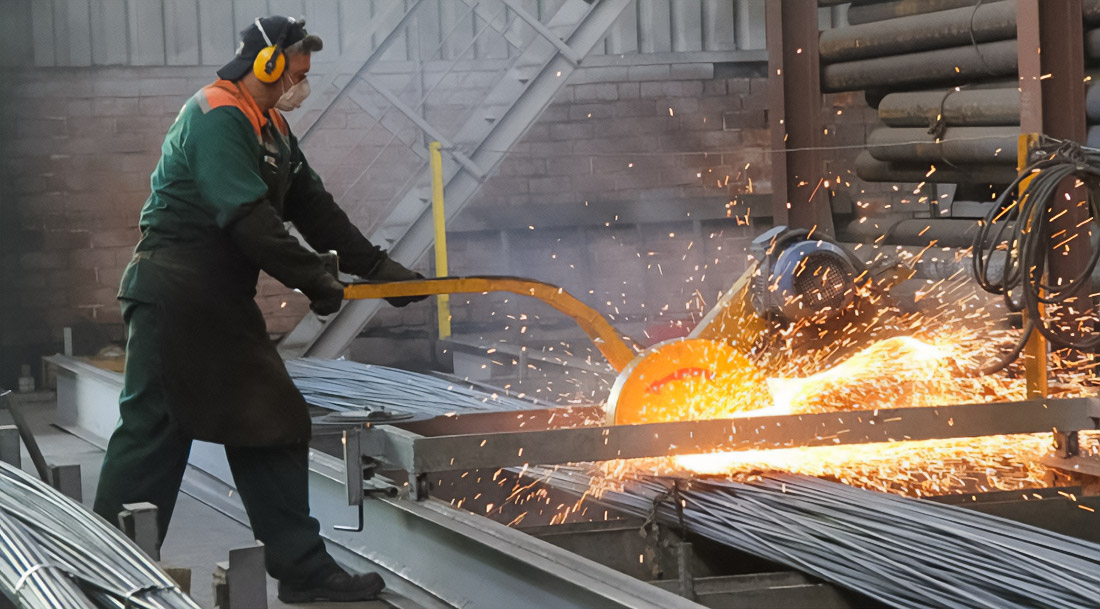
Once a building enters operation, moisture-related risks migrate inside the enclosing structures. Moisture diffusion through materials alone rarely leads to severe problems. In contrast, moisture convection through leaks, joints, and micro-gaps is far more dangerous. The scale of difference is striking. Approximately 0.5 g/m² of moisture passes daily through a vapor barrier with an sd value of 30 & nbsp; m, while a 1 mm-wide gap can allow up to 800 per running meter within 24 hours. This represents a difference of nearly 1600 times.
Such moisture flows occur under typical conditions: indoor temperature at +20°C, outdoor temperature at 0°C, and a pressure difference of 20Pa, equivalent to wind speeds of 2–3m/s. The outcome is predictable: internal condensation, corrosion of metal elements, reduced insulation efficiency, mold development, and declining indoor air quality.
HVAC Systems Heat Stress And Climate Reality

The problem intensifies when oversized air conditioning systems prioritize sensible heat load while overlooking latent load. Spaces cool rapidly, but humidity remains elevated. Surfaces become overcooled, allowing the dew point to be reached even when occupants perceive thermal comfort.
Climate conditions further compound the issue. Summer temperatures frequently exceed 45°C, with outdoor work recorded at 42°C between 12:30 and 15:00. The “midday ban” regulation restricts such work to 150 minutes per day over three months, reducing heat stress but shifting activity to mornings and evenings. Ironically, these time windows coincide with the highest condensation risk.
As buildings and construction account for roughly 40% of global emissions, expectations for energy efficiency and sustainability continue to rise. Preparing new developments and 20% of existing buildings by 2030, upgrading 30,000 facilities, and achieving energy consumption reductions of up to 25% make dew point and humidity control a fundamental requirement rather than an optional measure.
The winter dew point should not be viewed as a minor climatic detail. It is a systemic factor that connects materials, building envelopes, HVAC performance, occupational safety, and long-term durability into a single chain of risk.

Biker, foodie, guitarist, Swiss design-head and New School grad. Operating at the sweet spot between simplicity and mathematics to create strong, lasting and remarkable design. I prefer clear logic to decoration.
